
Fable is a beloved RPG series among XBOX fans and is about to make a huge comeback at the hands of the incredibly talented Playground Games.
The developers have shown they understand not just racing games, but also RPGs, with each new trailer for Fable getting more exciting than the last.
During the XBOX Games Showcase, Playground’s team presented a new trailer focusing on the game’s villain, Isabel, played by Hayley Atwell (Peggy Carter in the MCU), giving us a glimpse of the story.

However, what surprised fans the most was a video released afterwards, with just over 30 minutes of gameplay, detailing various game mechanics—and we’re summarizing everything here for you.
Introduction
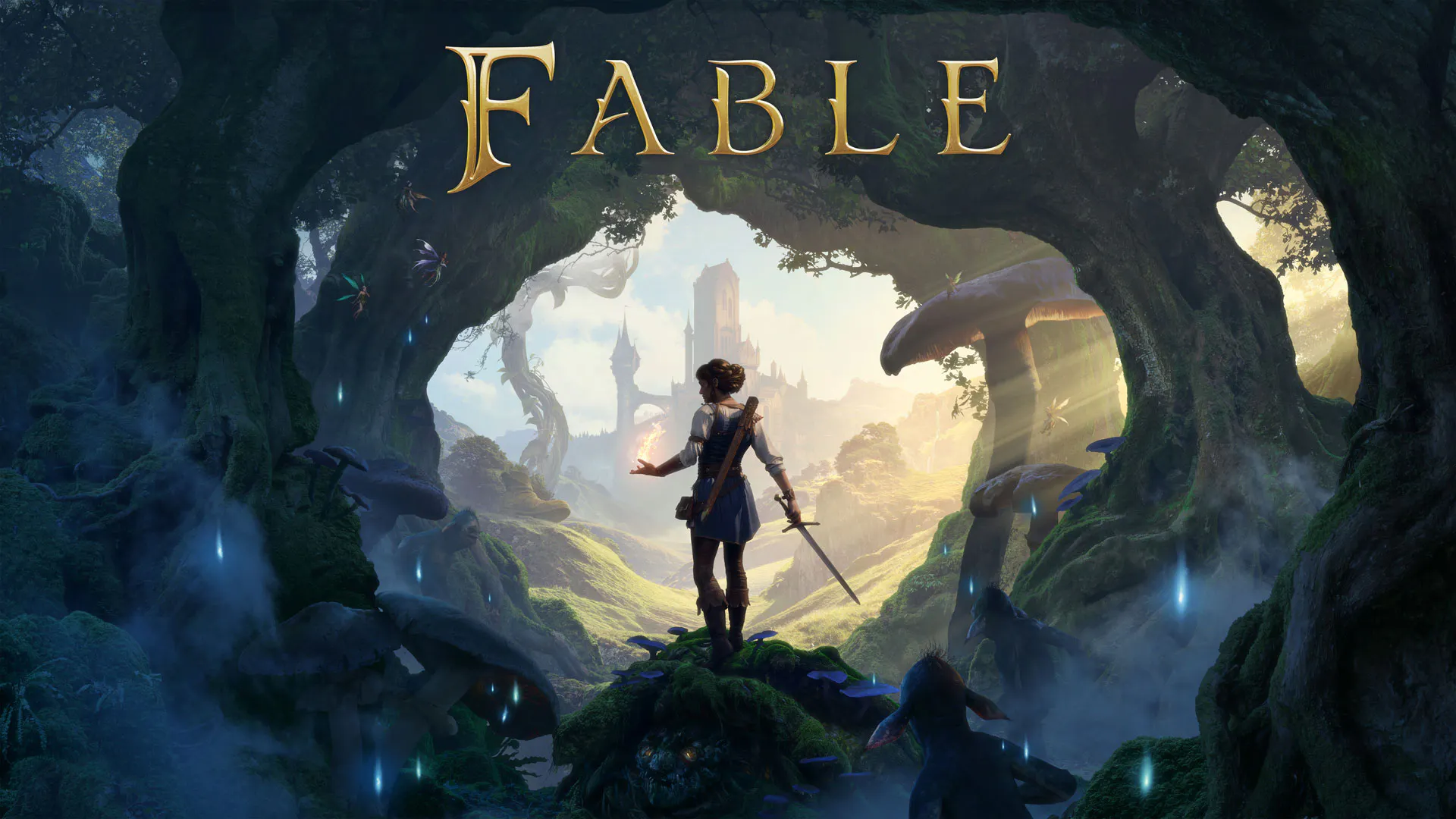
Fable takes place in Albion, a kingdom with many towns and villages. What we discuss here is based on the video content and takes place in one of the game’s towns: Silverbrook.
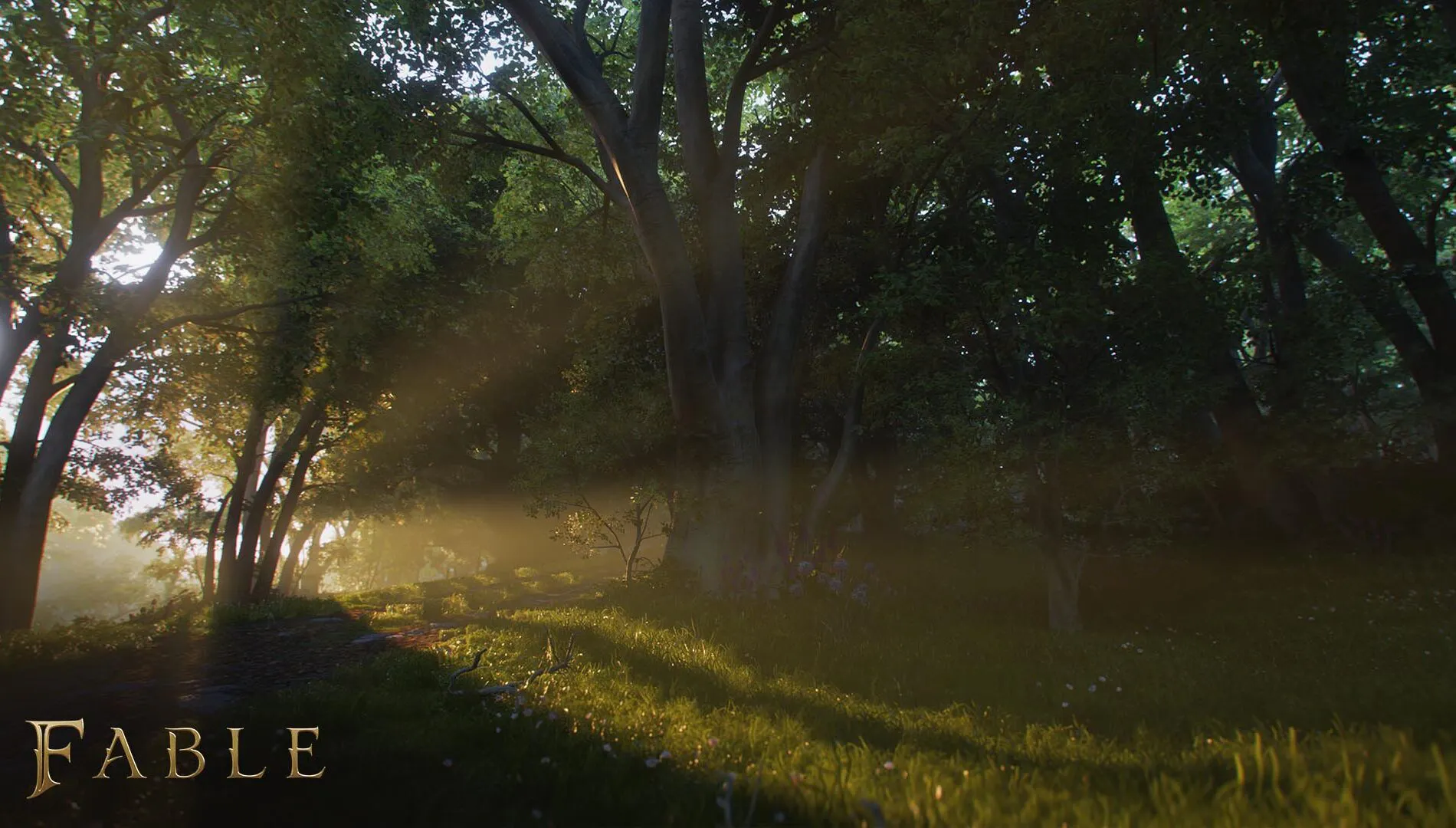
Silverbrook is set in a countryside region with plenty of green areas, and a central town designed to look like the English countryside.
The town features various businesses, houses and tents, and of course, people (NPCs) living their lives.
The new Fable also brings an updated morality system that goes far beyond just being good or evil. It’s a complex and interesting system, where every choice matters and directly impacts your journey.
Let’s start by talking about the NPCs.
The NPCs of Fable
Fable will have around 1,000 hand-crafted, fully voiced NPCs. Each NPC will have their own job, house, routine, relationships, and memory. And this routine isn’t fixed—everything is affected by the game’s real-time systems and by your choices.
Your decisions and relationships affect the lives of NPCs directly. For example, you can buy a business and hire any of the NPCs to work there—if they accept, their daily routine will change.
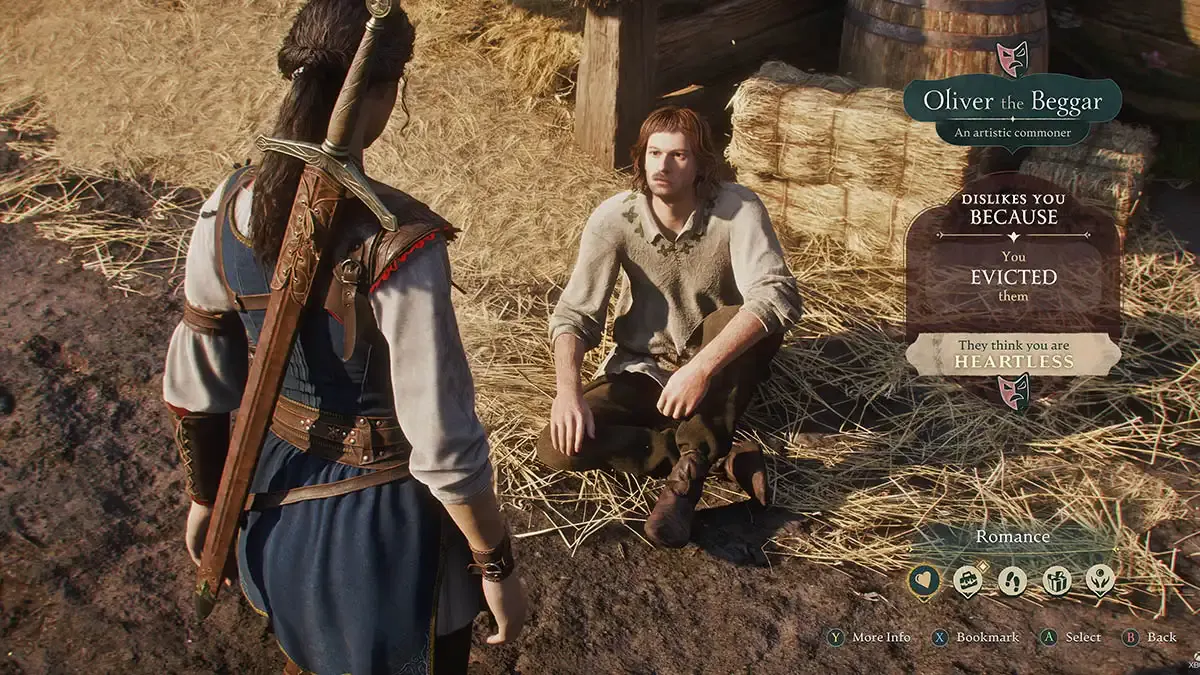
Each NPC has a unique memory, and your actions affect your reputation and how they perceive you. NPCs remember you individually, and each may view you differently based on their own worldview.
An NPC may like you for being wealthy, while another might hate you for the same reason.
The Deepened Morality System
Fable’s morality system is deeper than the classic good vs. evil seen in previous games in the franchise.
Now, the game takes things a step further, making your decisions even more impactful on your character.
Every choice you make carries weight and has a direct impact on your reputation, whether the choice is good or bad.
Completing side quests and helping or not helping NPCs also affects this perception—as does your reputation, of course.
How NPCs treat you is also influenced by how well they know you. For instance, if you’re new in town and ask an NPC to follow you, they’ll refuse and think you’re strange. If you’re well-known, however, they’ll follow you.
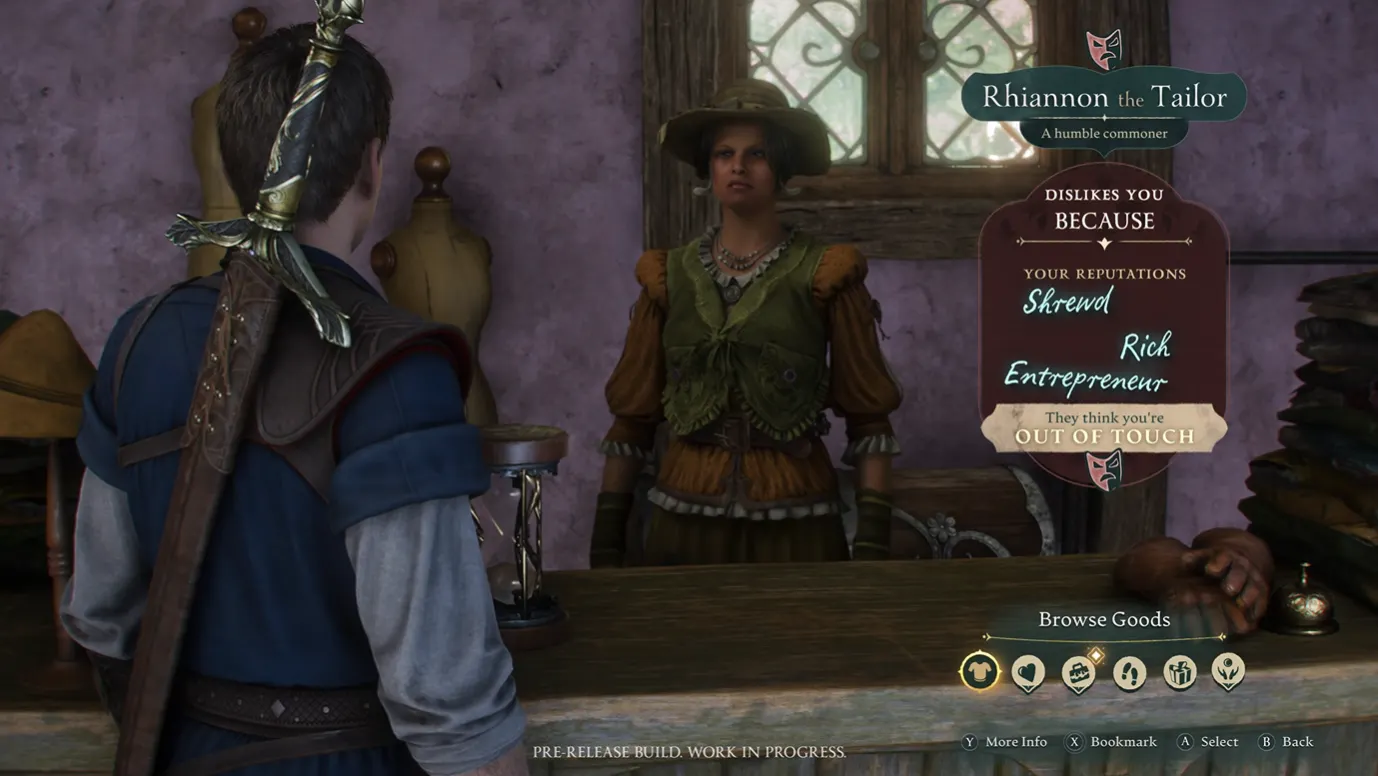
The perception an NPC has of you doesn’t just affect things superficially—it changes how they treat you, what they say about you, and even how much they charge, if they’re merchants. In one example, we see Rhiannon, a seamstress, charging the protagonist 80% more just because she doesn’t like them.
Buying Houses and Businesses
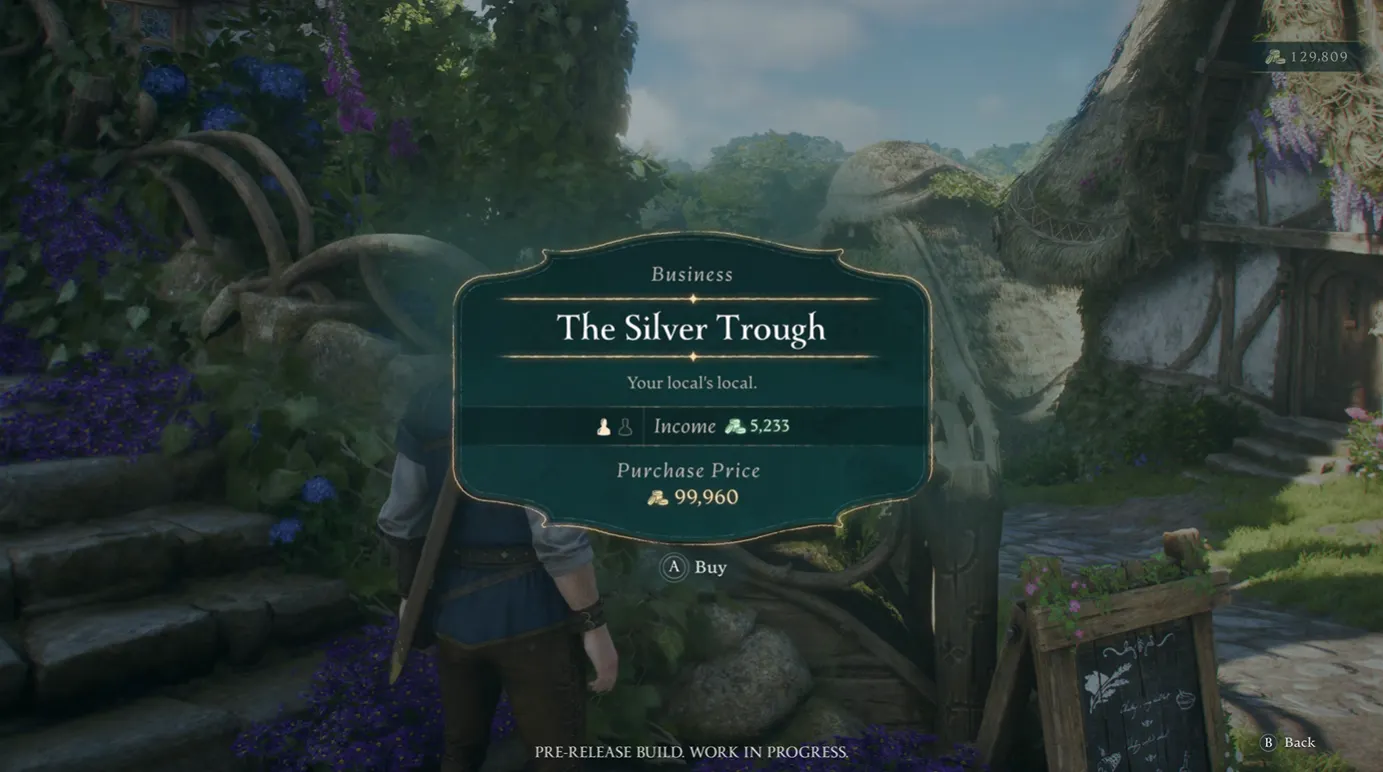
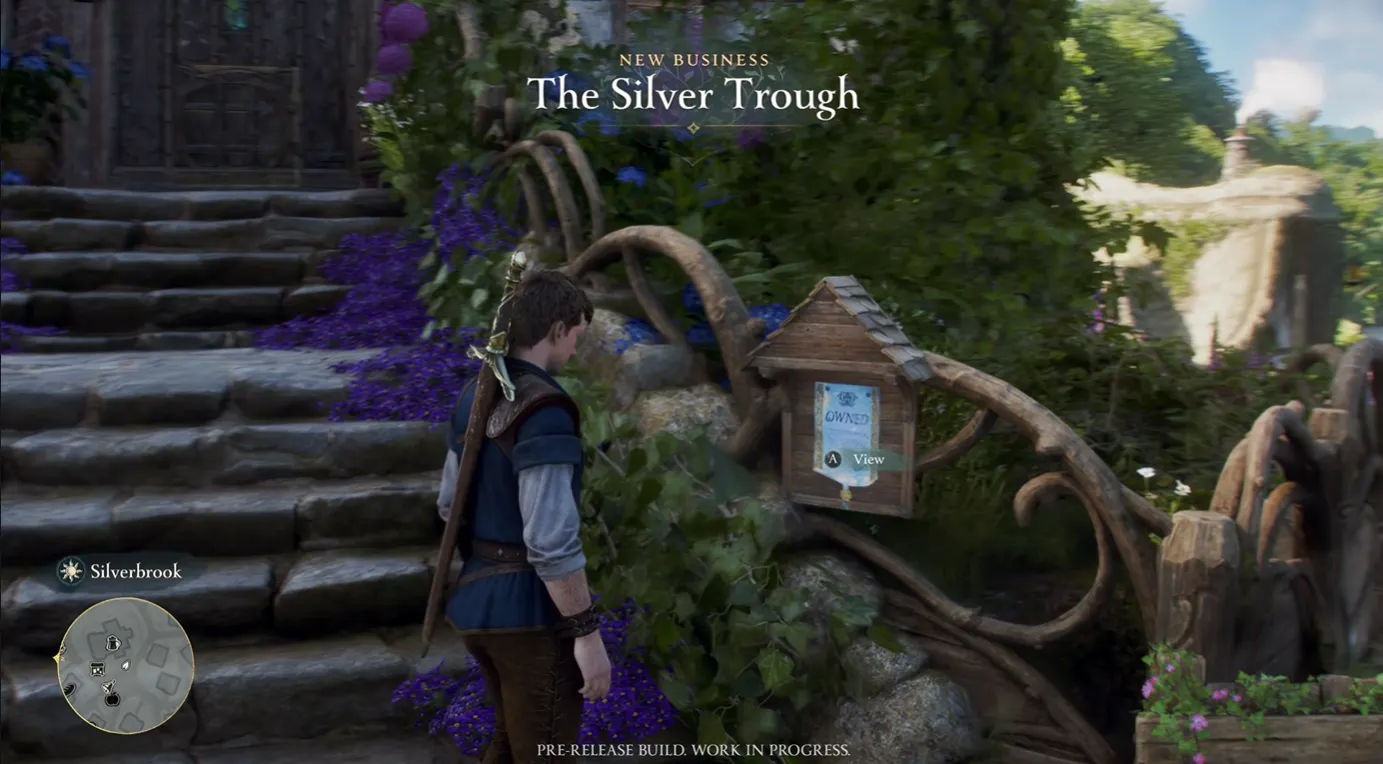
In Fable, the player will be able to buy houses and businesses. Buying a house allows your character to live in it or rent it out to others.
When you buy a house, you can choose to pay the residents to leave or simply evict them—though simply kicking them out will earn you a heartless reputation.
The same system applies to businesses—you can manage your employees, hiring and firing any NPC from any of your establishments.
Relationships
All Fable’s NPCs can be befriended or romanced. You can make friends, date, marry, and have children with any of them. However, starting a romantic relationship will require you to complete several tasks.
The first step is your reputation: depending on your actions, people may like you or not. For those who find you interesting, the door to romance opens.
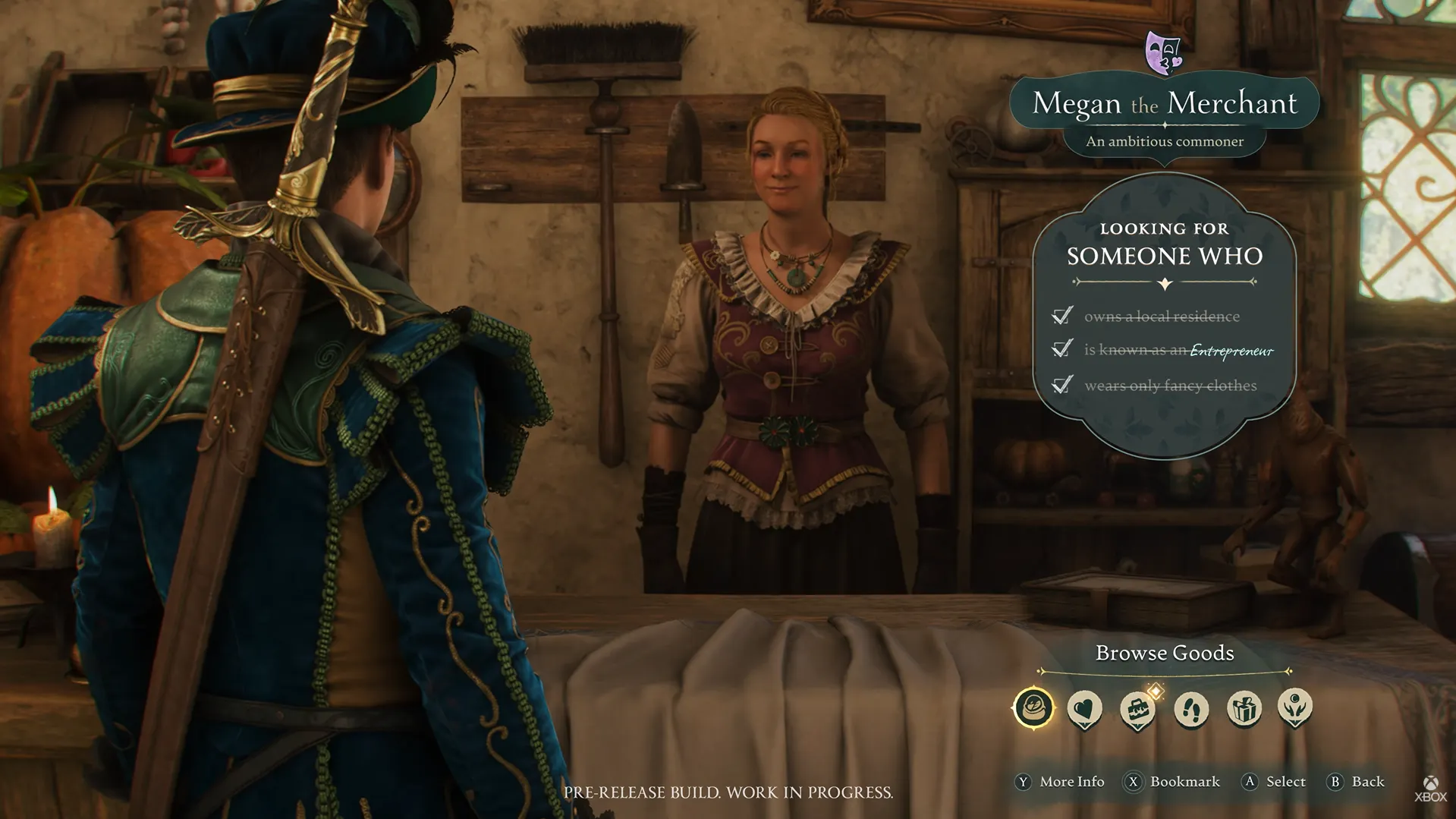
When talking to a potential romantic interest, the game will show a list of attributes that this person finds attractive, and you’ll need to acquire those traits before asking them out.
In the example, we see the player interested in Megan, who’s looking for someone entrepreneurial, well-dressed, and with their own house. The player needs to meet all these requirements before asking her out.
After the date, the player can make the relationship official and start dating. Over time, the player can invite their partner to move in together, have children, or even propose.
Likewise, a relationship can end if the player chooses, or if repeated negative behavior leads the partner to end things, or even file for divorce if they’re married.
Crimes
In Fable, the player is free to do whatever they want throughout Albion, including committing crimes—from minor to major ones.
If you shoot arrows in the middle of town, even if you don’t hit anyone, you’ll be seen as irresponsible.
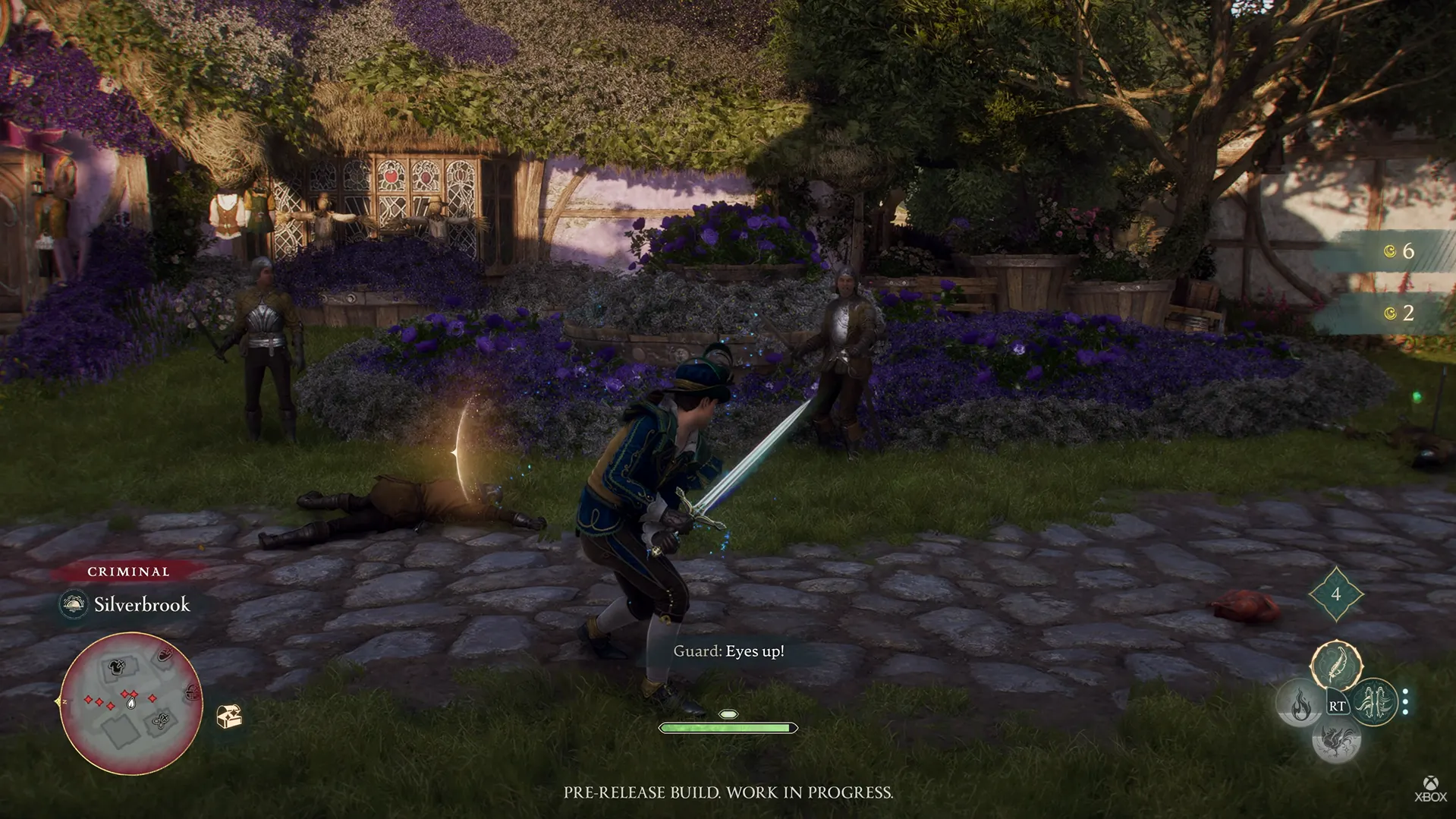
Stealing, fighting others, and of course killing, will increase the bounty you have to pay to avoid legal penalties.
The bounty amount varies, depending on the severity of your crimes—the more serious, the higher the bounty. Committing repeated crimes also raises the value. For example: killing two people costs more than killing one.
The only ways to escape the law’s wrath are to pay the bounty or flee the city. Until it’s settled, you’ll be attacked by guards each time you set foot in town.
Once you resolve things with the law, you can walk around the city again—but serving your sentence doesn’t erase people’s memories. They’ll remember what you did, and you’ll have to regain their trust, or seek out the town crier and pay them well to spread good words about you and improve your reputation.
Wrapping Up
Playground Games is showing that they know exactly what they’re doing—and that they’re much more than just a racing game studio.
The game seems to have the vibe of the original titles, with updated features and polish that make it even more exciting and immersive.
Fable will be available on XBOX consoles, PC, PS5, and via XBOX Game Pass on February 23, 2027.